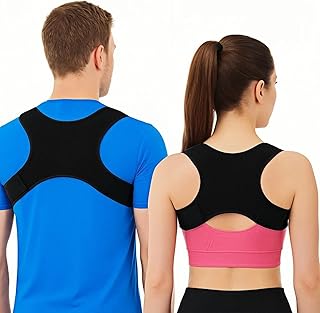
In today's digital age, where hours are spent hunched over screens, poor posture has become a widespread issue leading to chronic pain and musculoskeletal problems. A Posture Corrector is a non-invasive tool designed to gently guide your body into proper alignment, offering relief and retraining your muscles. This guide will help you understand the benefits and how to choose the right one for you.
What is a Posture Corrector and How Does It Work?
A posture corrector, often in the form of a back brace or shoulder straightener, is a wearable device that provides support to the upper back, shoulders, and sometimes the lumbar region. It works by applying gentle, consistent pressure to pull your shoulders back and align your spine. This not only provides immediate back pain relief but also trains your muscles to maintain this improved position over time. Devices like the HLOES Posture Corrector use adjustable straps to customize the level of support, making them suitable for various body types and correction needs.
Key Benefits of Using a Posture Support Brace
The primary benefit is, of course, pain relief. By correcting slouching and hunching, these braces alleviate strain on the neck, shoulders, and upper back. They are instrumental in hunchback correction and can provide support for conditions like mild scoliosis or kyphosis. Beyond pain, improved posture boosts confidence, increases lung capacity, and enhances overall energy levels. Many modern correctors, such as the Fit Geno Posture Corrector Invisilite, are designed to be invisible under clothes, allowing for discreet all-day wear.
Features to Look for in a Quality Posture Corrector
When shopping for a back brace, several features are crucial for comfort and effectiveness:
Adjustability: An adjustable posture brace like the KNXWALT Posture Corrector ensures a personalized fit, which is essential for proper support and comfort.
Breathability: Look for materials like breathable mesh to prevent overheating and skin irritation, a feature highlighted in the Upgraded Breathable Full Back Support model.
Targeted Support: Some braces focus on the upper back and shoulders, while others offer full back support including lumbar. The Kepwaa Posture Corrector is an example of a full-coverage option that's even FSA/HSA eligible.
Comfort: Padded straps and soft edges are vital for a comfortable posture aid you'll actually wear.
How to Choose the Right Posture Corrector for You
Selecting the right device depends on your specific needs. For general posture improvement and slouching correction, a lightweight, adjustable upper back brace like the Vaunn Back Correction Belt may suffice. If you suffer from lower back pain in addition to upper back issues, consider a full-back model. For those seeking a discreet option, the "invisible" designs are perfect. It's also helpful to read detailed reviews, such as those found in our Ultimate Guide to Posture Correctors, to compare real-user experiences.
Integrating a Posture Corrector into Your Daily Routine
A posture corrector is a tool, not a cure. For best results, start by wearing it for short periods (30-60 minutes) a few times a day, gradually increasing the duration as your muscles adapt. Combine its use with strengthening exercises for your core and back muscles, and be mindful of your posture when sitting and standing. The goal is to use the brace as a training aid until your body learns to maintain proper alignment independently. For more tips on usage, check out our Posture Corrector Usage Guide.
Investing in a quality shoulder straightener or back brace can be a transformative step toward better health & wellness. By providing the necessary support and gentle reminder to sit and stand tall, these devices offer a practical solution to the modern epidemic of poor posture and its associated pains. Whether you choose an adjustable, breathable, or invisible model, the key is to find a comfortable and effective support that fits seamlessly into your life.